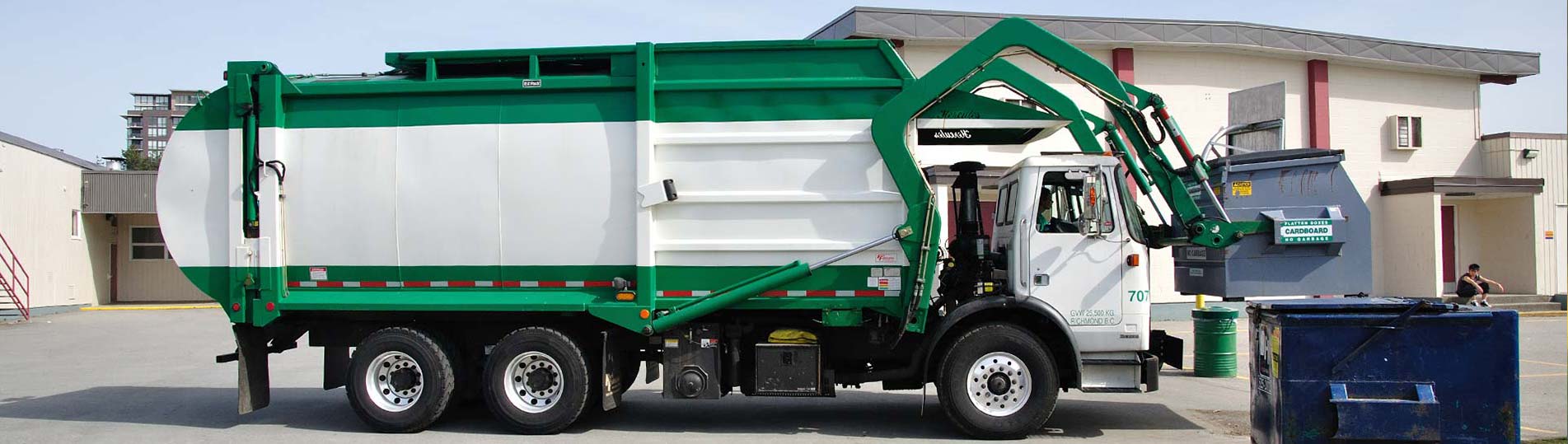
Rubbish Clearance in Bloomsbury
Rubbish Clearance Bloomsbury provides rubbish clearance in Bloomsbury for homes, flats, offices and building projects that need unwanted waste removed in a tidy, straightforward way. We handle general rubbish clearance alongside more focused services such as house clearance, office clearance and builders waste disposal, so customers can choose a service that fits the job rather than forcing everything into one approach.
Our service is designed for practical clearances where items need loading, sorting and taking away with as little disruption as possible. That may include furniture, general household clutter, broken fittings, trade waste or mixed loads that are better managed by a clearance team than by a skip. If you are comparing options, our services overview gives a useful starting point, while the prices page explains the factors that can shape a quotation.
For a quick start, think about what needs to go, how much access there is and whether any items need separating before collection. If you already know the main category of waste, you can also use our rubbish removal needs page to narrow the right service. When you are ready, request a quotation and we will help you move from a rough idea to a clear plan.
Household rubbish clearance
Household rubbish clearance covers the everyday items that build up in kitchens, bedrooms, lofts, storage cupboards and communal areas. It can include bagged waste, unwanted furniture, old appliances, boxes, toys, general bric-a-brac and mixed clutter that no longer has a place in the property. The aim is to remove the load efficiently while keeping the work organised, with attention to access, sorting and the safe handling of heavier or awkward pieces. If the job involves a full or partial property emptying, our house clearance page provides a more focused route.
Many household clearances are not about dramatic transformations; they are about creating a sensible clearance plan for items that have accumulated over time. A room full of stored belongings may need careful selection of what stays and what goes, while a single bulky item may need careful lifting and carrying through narrow hallways or stairwells. We can work with mixed loads, which is often useful when waste has built up across several rooms and contains both recyclable material and general rubbish. For customers comparing household jobs with other waste types, the waste removal page sets out the broader service category.
What is usually included
Typical domestic work can cover furniture, mattresses, white goods, packaging, old decorations, soft furnishings and assorted clutter. Where suitable, items can be separated so the load is easier to manage and, where possible, routed to recycling streams. We also handle the practical side of getting waste out of the property, which matters when the items are large, heavy or awkwardly placed. If the work is linked to a move, refurbishment or spring clear-out, it helps to identify the main categories first so the quotation reflects the actual volume and effort involved. Speak to us if you want a simple, structured household clearance.
Office and commercial waste
Office clearance is usually about removing furniture, filing, shelving, desks, chairs, IT-related items and general commercial waste without turning the workplace into a long-running disruption. We can help with routine office clear-outs, end-of-tenancy commercial space clearance and the removal of surplus items that are no longer useful. For businesses with mixed waste streams, the office clearance service is a practical option when you want a single team to handle the lifting and removal in a tidy, organised sequence.
Commercial clearances often need a bit more structure than domestic ones. You may have items stored across more than one room, shared corridors, reception areas or back-of-house spaces, so it helps to separate what should be kept, what should be recycled and what is ready to leave. We can manage straightforward office rubbish removal as well as more complete clearances, depending on the scale of the job. When the work also includes trade or renovation debris, it may be better to combine this with builders waste disposal rather than treating everything as standard office waste.
Good commercial planning usually comes down to access and sorting. For example, knowing whether items are on one floor or several, whether there is a lift, and whether any secure or sensitive materials need separate handling can make the process more efficient. If you are unsure how to describe the waste, the services overview is a sensible place to compare the main categories before asking for a quote. Tell us what needs to go, and we can help you shape the right clearance.
Builders waste and renovation debris
Builders waste disposal is the right option for waste generated by refurbishment, repair or light construction work. That may include timber offcuts, plasterboard, broken fixtures, packaging, old fittings, rubble and other renovation debris that needs removing once the work has moved on. The builders waste disposal in Bloomsbury page sets out this service in more detail, and it is especially useful when a property or work area must be cleared without leaving waste piled up for long.
Renovation waste is rarely uniform, so the important part is to match the removal method to the load. Some jobs are mainly light but bulky, while others contain heavy broken material that needs careful handling. By separating waste at the point of clearance where practical, the process is easier to manage and can support better routing of recyclable material. If your project has produced a mixture of construction debris and household or office items, that does not automatically mean it needs separate visits; the main question is how the load is arranged and what needs to be taken away.
Choosing the right disposal route
For smaller work, a targeted clearance may be enough. For larger refurbishments, it may be better to plan the waste in stages so the site stays orderly while work continues. Useful details to consider include the volume of rubble, whether items are dust-covered, and whether there are heavy parts that need carrying over steps or through shared entrances. Clear access notes and an accurate description of the materials help keep the quotation aligned with the actual work. If the job is part of a wider property improvement, our other service pages can help you identify the most appropriate category before you enquire.
Garden waste and outdoor clearances
Garden waste removal covers the practical side of clearing outdoor material that has built up after pruning, landscaping or general maintenance. It can include branches, hedge trimmings, leaves, grass cuttings, soil, old planters, broken outdoor items and other green or mixed waste. The dedicated garden waste removal page is the best place to look if your job is mainly outside the property and you want a clean, simple removal route.
Outdoor clearances often involve more than just green waste. A shed clear-out may uncover damaged tools, unwanted furniture, packaging or mixed garden clutter, and these items may need to be separated from pure green waste. That distinction matters because it helps match the work to the right disposal method and gives a more accurate view of what is being collected. We can assist with mixed outdoor loads where the waste is not limited to one type of material, provided the items are described clearly enough for a fair quotation.
When preparing a garden clearance, it is useful to note whether the material is bagged, loose, damp or stacked, because that affects how it can be loaded and moved. It also helps to mention whether access is through the side return, a rear passage, a communal route or another entry point. If you are comparing outdoor waste with general clearance options, the recycling and sustainability page explains how recyclable material is approached as part of the service. Start with the waste type, then ask for a quotation.
Pricing, quotations and what affects the cost
The price of a rubbish clearance normally depends on the amount of waste, the type of material, how easy it is to load and whether any items need separating or moving from more than one part of the property. A straightforward bagged load is different from a mixed clearance with heavy furniture, awkward access or renovation debris. The pricing and quotes page is helpful if you want to understand how a quotation is prepared before you make contact.
Clear and accurate information can make the quoting process more useful. A list of the main items, rough quantities and any access issues is usually enough to begin, and photographs can help where the load is mixed or difficult to describe. If the job includes stairs, limited parking, restricted access or a need to remove items from more than one room, those details should be included because they can affect how the work is planned. Keep the description simple and factual, and avoid guessing at volumes if you are unsure; it is better to describe what you can see.
- List the main items or waste types.
- Say whether the load is bagged, loose or stacked.
- Note access points, stairs or parking considerations.
- Mention if the clearance is part of a larger move, clean-up or refurbishment.
For customers who want a broader explanation of how we handle enquiries, the contact us page is the natural final step after reviewing the service pages. Send the details you have, and we will help you request the right quotation.
Recycling, sorting and responsible disposal
Not every item collected in a clearance has the same end point, so sorting matters. Some materials can be separated more easily than others, and some loads contain a mix of recyclable items, reusable materials and general waste. The recycling and sustainability page gives more detail on this part of the service, which is useful if you want to understand how the clearance is approached beyond simple removal.
Responsible disposal is often about keeping the work organised at source. If items are grouped sensibly, the clearance can progress more smoothly and material can be handled in a way that reflects its type. That may mean separating clean cardboard from mixed rubbish, or keeping intact furniture apart from broken fixtures so the load is easier to process. We do not need to turn every job into a sorting exercise, but a little organisation at the outset can make the service more practical and easier to describe in a quotation. Simple sorting can support a clearer plan and a cleaner handover.
This approach is especially relevant where a job includes mixed domestic or commercial waste, because the same collection may contain recyclable, reusable and residual material. Where suitable, that mix is managed as part of one structured service rather than as several disconnected visits. If you are deciding between clearance options, looking at the service pages together can help you match the waste type with the most appropriate route. When you are ready, ask for a quotation and we will take it from there.
About Bloomsbury
Bloomsbury is a central London district known for its strong association with learning, publishing and Georgian urban form. Much of its character comes from the planned terraces and garden squares laid out during the eighteenth and early nineteenth centuries, which created a dense but elegant street pattern that still shapes the area today. Russell Square, Bedford Square, Gordon Square and Tavistock Square are among the best-known garden squares, each contributing to the area’s distinctive balance of formal open space and surrounding residential or institutional buildings. The British Museum is one of Bloomsbury’s most prominent landmarks, while the streets around it contain a mix of museums, academic institutions, hotels, historic houses and modern offices that reflect the district’s long evolution. The area is closely associated with the University of London and several of its colleges, which have left a visible mark on the architecture and cultural life of the district. Bloomsbury also sits within easy reach of major transport and commercial hubs, yet it retains a quieter character than many other central London locations, helped by its squares, tree-lined streets and varied building stock. Its literary and intellectual associations are well known, particularly through the Bloomsbury Group, whose members became linked with the area in the early twentieth century. The neighbourhood’s name is used in both cultural and administrative contexts, but the historic core is usually understood as the compact district around the squares, museums and university buildings rather than the wider surrounding boroughs. This combination of planned streets, institutions, public gardens and architectural continuity gives Bloomsbury a distinct identity within central London.
How to plan a clear and practical removal
A good rubbish clearance starts with a simple description of the waste and the setting. You do not need to write a long explanation; the most useful information is usually the type of material, how much there is and whether the items are easy to reach. If a job includes more than one room, floor or storage area, it helps to mention that once rather than scattering the detail across several messages. That gives a clearer picture of the work and helps keep the quotation relevant to the actual clearance.
The same principle applies to timing and preparation. If items are already gathered in one place, say so. If they are still spread around the property, that is useful too. The key point is accuracy, because a sensible quotation depends on the real job rather than an assumption. For mixed clearances, a short note about which items are to stay and which are to go can prevent unnecessary back-and-forth. If you have special concerns about fragile items, heavy pieces or shared access, include those in the first description so the arrangement can be planned properly.
When the task is well defined, the next step is straightforward. Review the most relevant service page, compare the type of waste and then contact us for a quotation. That final step does not need to be complicated: a concise enquiry is usually enough to begin. Choose the service that best matches your waste, then ask for a quote.


 Tipper Van - Rubbish Removal and Waste Collection Prices in Bloomsbury, WC1
 Luton Van - Rubbish Removal and Waste Collection Prices in Bloomsbury, WC1